
01NEPHROLOGY
Kidney disease & nephrology
Understand kidney function, chronic kidney disease (CKD), acute kidney injury and how a specialist evaluates your individual condition.
Explore renal consultationsMMR HOSPITAL & IVF CENTER · RAIPUR
Understand kidney conditions, learn about important tests and explore your options for a renal consultation with the MMR Hospital team.
Appointment requests are enquiries until confirmed by the hospital.
किडनी देखभाल की जानकारी हिन्दी में पढ़ें ↗
KNOW YOUR KIDNEY HEALTH
Kidneys help remove waste and extra fluid, regulate important minerals and support blood pressure control. Problems can develop gradually, sometimes without early symptoms. A healthcare professional can assess your risk, explain results and recommend appropriate care.
Meet MMR Hospital's expert team
MEET YOUR NEPHROLOGY SPECIALIST
MD (Internal Medicine), DNB (Nephrology)
Explore Dr. Prawash Chowdhary’s documented clinical and academic background, research publications and nephrology interests. His professional recognition includes the 2025 Fellowship of the International Society of Nephrology (FISN). This does not imply every specialised procedure is provided on site at MMR Hospital.
Ask the hospital to confirm current doctor schedules and available services before visiting.
KIDNEY CARE TOPICS
Explore common renal questions and related pages. Availability of individual procedures should always be confirmed directly with MMR Hospital.
Understand kidney function, chronic kidney disease (CKD), acute kidney injury and how a specialist evaluates your individual condition.
Explore renal consultationsLearn why kidney replacement therapy may be discussed, what questions to ask and how the clinical team can explain available pathways.
Read about CAPDGet an introduction to CAPD, a form of peritoneal dialysis that uses the abdominal lining as a filter, and discuss suitability with a specialist.
Learn about CAPDProtein or albumin in urine may be a sign of kidney damage. Learn why tests and follow-up matter even when you feel well.
Explore proteinuria evaluationFind introductory information on urinary tract infections and why symptoms such as fever, discomfort or changes in urination need appropriate evaluation.
Read the UTI guidePrepare your questions, bring prior kidney reports and ask the hospital how to arrange a consultation or follow-up visit.
Request a renal consultation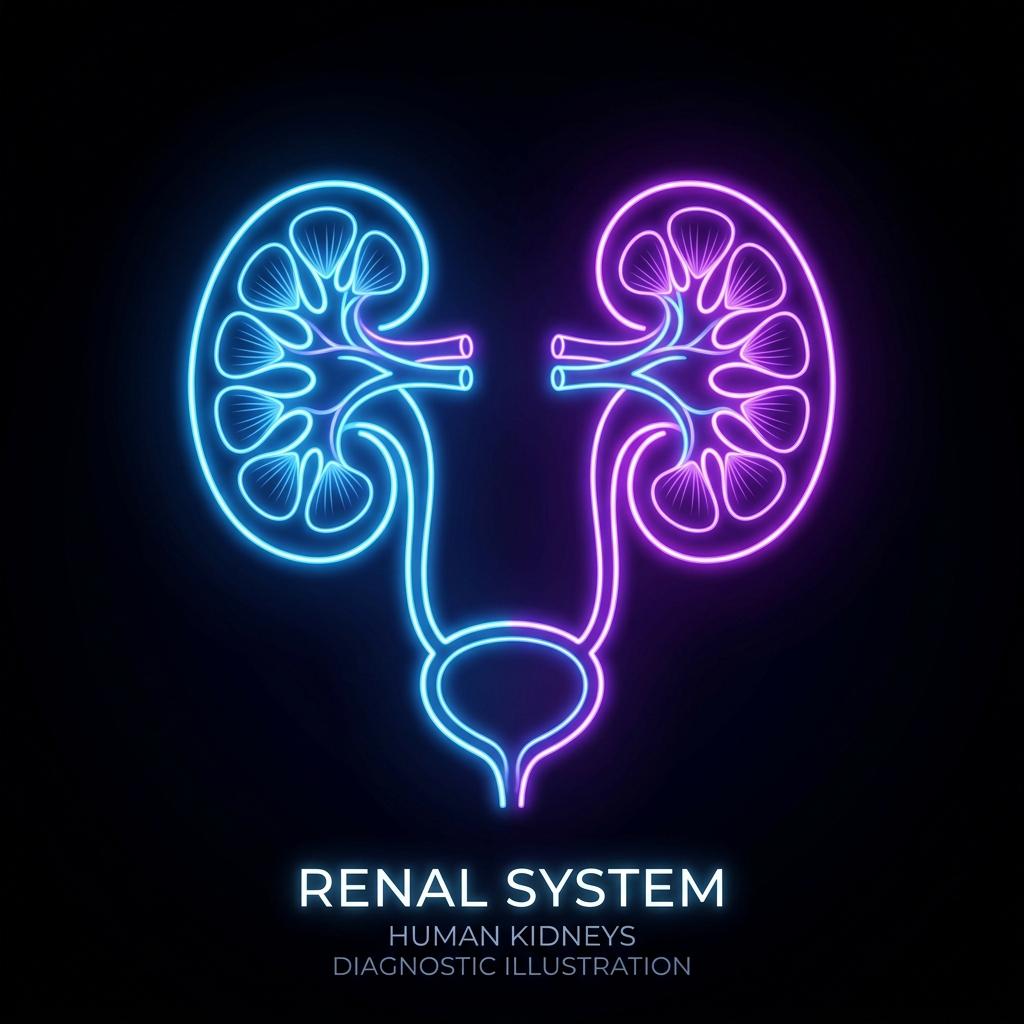
KIDNEY TESTS EXPLAINED
Kidney problems may not be obvious from symptoms alone. A clinician may review a blood test for estimated glomerular filtration rate (eGFR) and a urine albumin-to-creatinine ratio (uACR), alongside medical history and other findings.
WHEN TO SEEK GUIDANCE
Not every symptom points to kidney disease. A clinical assessment helps identify the cause and next steps.
These conditions can affect kidney health. Ask your clinician how often you should have kidney tests.
Foamy urine, swelling or changes in urination can have different causes and may warrant medical assessment.
Creatinine, eGFR and urine albumin results are best interpreted together with your history and other findings.
Seek urgent medical attention for severe or rapidly worsening symptoms such as marked breathlessness, chest pain, confusion or very little urine.
PATIENT CARE JOURNEY
Every patient journey is different. These general steps can help you prepare for a conversation with your clinician.
Tell the team about symptoms, existing conditions, medicines and any previous kidney treatment.
Your doctor may review eGFR, creatinine, urine albumin and other tests according to your needs.
Understand the diagnosis, monitoring, treatment options, risks and questions relevant to your situation.
Ask about test frequency, medicines, diet advice and when to seek further medical help.
PATIENT QUESTIONS
Simple information to help you make the most of a kidney care consultation.
Speak with the hospitalA nephrologist is a doctor who specialises in kidney health and conditions such as chronic kidney disease, acute kidney injury, abnormal urine protein and related complications. Your care plan depends on individual assessment.
Yes. Early chronic kidney disease often causes no noticeable symptoms. People at increased risk, including those with diabetes or high blood pressure, can ask their clinician about appropriate testing.
Blood creatinine is used to estimate kidney filtration (eGFR). A urine albumin-to-creatinine ratio (uACR) checks for albumin in urine. Your clinician may recommend additional tests according to your medical history.
No. A single result needs clinical interpretation. Dialysis decisions depend on the overall condition, symptoms, complications and other findings, not one number alone. Discuss the result with a qualified clinician.
Continuous ambulatory peritoneal dialysis (CAPD) is a form of peritoneal dialysis using fluid in the abdominal cavity to help remove waste and extra fluid. It requires training and clinical assessment to determine suitability.
Use the renal consultation enquiry page or call the published hospital contact number. An enquiry is not a confirmed appointment; ask the team to confirm the doctor, availability and time.
HERE WHEN YOU NEED GUIDANCE
Request a renal consultation, ask about a report or contact the MMR Hospital team in Raipur. Doctor schedules and appointments are subject to confirmation.